residential moves

your complete guide to relocating in silicon valley

Santa Clara Moving Guide: Best Time to Move, Costs, Permits & Local Insights

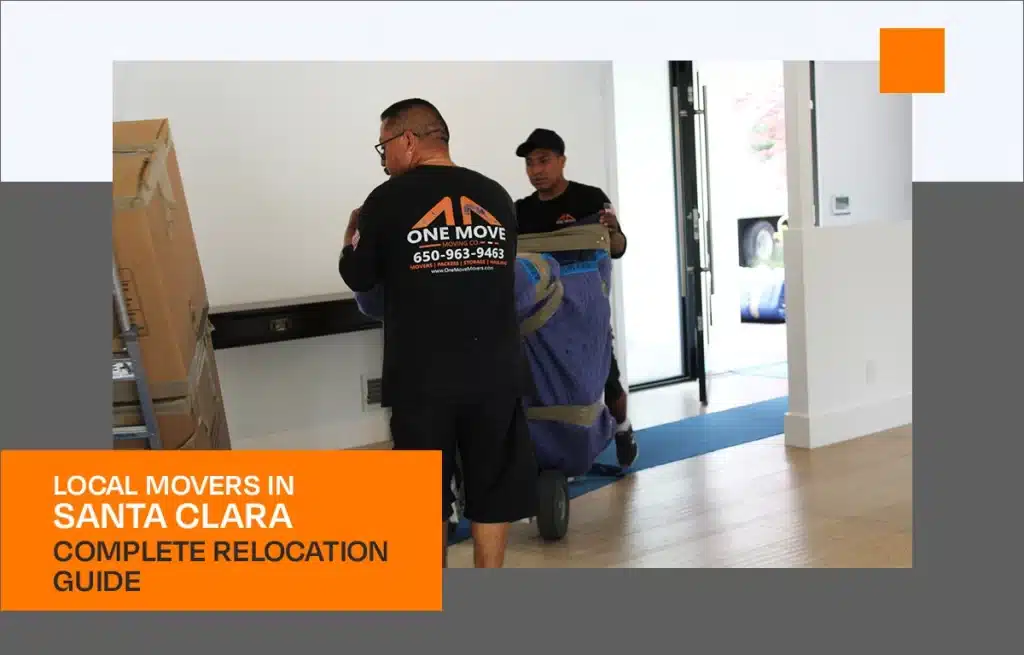
Santa Clara Moving Guide: Best Time to Move, Costs, Permits & Local Insights Moving to Santa Clara or anywhere in the Bay Area can be exciting, but the traffic, strict building rules, parking challenges, event days, and unpredictable move-in schedules can quickly feel overwhelming.The good news is that with the right information and a little planning, your move can be smooth and stress free.That is exactly why we created this Santa Clara Moving Guide. One Move Movers: As longtime Bay Area moving professionals, we’ve seen the patterns, the hiccups, and the common mistakes people make when moving to Santa Clara. This guide is designed to give you solutions before the challenges even arise. We created this blog to address real questions from the Bay Area community, including local moving regulations, cost expectations, permit requirements, and expert insights based on handling hundreds of Santa Clara moves. Santa Clara brings together suburban neighborhoods, university housing, and active commercial and tech areas. Some moves are smooth and straightforward in newer buildings with elevators, while others are more complex in older Victorian homes. Traffic, tech-company rush hours, and major events can also influence your moving time. Locals people often describe Santa Clara as convenient but pricey; many newcomers on local forums emphasize budgeting carefully for rent and living costs. (Source: Reddit Santa Clara) Also People who live in Santa Clara say it’s a nice and easy place to live, but it’s expensive.  In reedit people often talk about the importance of planning your budget before moving. Quick planning checklist: Confirm whether your street or building requires a temporary parking permit. Reserve elevator time and loading dock access with building management at least 2–3 weeks in advance. Schedule your move early in the morning to avoid traffic and event-related delays. Measure larger furniture pieces and entryways, especially if you are moving into historic neighborhoods. Organize donation drop-offs and pack a simple “first-night” essentials box. Best times to move: Season What to expect Pro tips Winter (Nov–Feb) Lower demand, easier booking Often more affordable but be sure to check for weather conditions and holiday closures. Spring (Mar–May) Increasing demand Good availability if you book 4–6 weeks out  Summer (Jun–Aug) Peak season Highest prices, so aim for mid-month if you can Fall (Sep–Oct) Moderate demand Offers a good balance, just avoid peak university move days. Our Mover tip: mid-month moves are often less expensive than end-of-month turnover days. Movers and residents consistently report this. How much will it cost? Moving costs depend on factors like crew size, timing, accessibility, and additional services such as packing, disassembly, long carries, and stairs. Local pricing guides and recent market data provide a useful reference: A local studio or one-bedroom apartment typically ranges from $400 to $850. Two- to three-bedroom houses usually cost between $900 and $1,600, depending on stairs and driveway access. High-rise apartments near Levi’s Stadium with long carries or elevator scheduling can run $1,200 to $2,000 or more. Special event days or challenging access can increase costs further. Permits, Parking, and Building Access: What to Check Some moves require permits or reservations. Always confirm details with the city of Santa Clara and your building management. Residential Truck Parking Permit: Santa Clara has a Residential Permit Parking program. If your street is in a permit area, you’ll need to register and obtain the required permits. Allow at least a week for processing in many locations. Elevator Reservations and Loading Docks: High-rises and many modern apartments often require elevator reservations and sometimes proof of insurance for vendors. Book these early, especially near universities or in newly developed areas. Oversized Vehicle Restrictions: Nearby cities may have rules for narrow streets or large vehicles. If your moving truck is oversized, check local ordinances for restricted streets. Permit summary table: Permit & Item Likely needed? Where to confirm Residential parking permit Sometimes (RPP areas) Santa Clara City permit portal Loading zone and curb reservation Often for high-traffic streets Building Management or City Traffic Department Truck access (oversized) Depends on street width Local city ordinances; check neighboring cities if moving near city borders Neighborhood-Specific Notes (based on resident feedback): Old Quad (historic Victorians): Narrow doorways and staircases, measure furniture carefully and plan for partial disassembly. Many residents note the need for custom moving solutions Mission College, University-adjacent apartments: Elevator booking windows and tight move-in schedules, residents report strict building rules during academic move-in/out. Rivermark Village & Santa Clara Gardens: Family-friendly neighborhoods with generally better street parking. Some HOAs have rules regarding truck placement. Real User Questions from Social Mentions: 1. Will I need a parking permit for moving day? If your street is in a Residential Permit Parking zone or your building requires reserved truck space, you’ll need to arrange a permit or booking. Check Santa Clara’s permit portal and confirm with your property manager. 2. How do I avoid surprise fees? Request a detailed written estimate from your movers that includes extras such as stairs, long carries, shuttle fees, and elevator wait times. Prepare an inventory and disclose specialty items like pianos, safes, or large TVs. 3. Is it better to move mid-month? Yes, mid-month typically sees less demand than end-of-month lease turnovers. Movers and residents often find it easier to secure time slots, and rates can sometimes be lower. 4. How soon should I book movers? During peak season (May to September), it’s best to book 4 to 6 weeks in advance. At off-peak times, 2 to 3 weeks may be sufficient, but permits, elevator reservations, and building restrictions still require advance planning. Packing & move-day checklist: Two weeks out:  Confirm parking permit & elevator reservation. Notify your building management. Measure oversized items to plan for disassembly or special handling. One week out:  Confirm the mover’s arrival time Label boxes by room. Pack an essentials box with documents, chargers, keys. Day before: Clear pathways for a smooth move. Disconnect appliances for safety. Have water and snacks ready for movers. Move day: Be available for quick decisions. Check inventory as items are
Residential Movers Bay Area

Best Residential Movers Near Me: Comprehensive Moving Solutions for Bay Area Residents

Understanding Residential Moving in the Bay Area The Bay Area presents unique challenges for residential moves, from steep San Francisco hills to compact Silicon Valley living spaces. Choosing the right moving partner can transform a potentially stressful experience into a smooth transition. Regional Moving Challenges Diverse urban and suburban landscapes Complex parking restrictions Narrow streets and limited access Varied housing types Why Professional Residential Movers Make a Difference Key Benefits of Professional Moving Service Stress Reduction Comprehensive packing and unpacking Expert handling of delicate items Managed logistics and transportation Cost-Effective Solutions Prevent potential damage to belongings Efficient use of moving resources Transparent pricing models Time-Saving Strategies Professional packing techniques Streamlined moving processes Minimal disruption to daily life Comprehensive Residential Moving Services Full-Service Moving Packages Studio and apartment move Single-family home relocations Senior and student moving options Local and long-distance moves Specialized Moving Support Fragile item protection Antique and valuable item handling Piano and specialty equipment moves Climate-controlled storage options Pricing and Cost Considerations Move Cost Factors Home size Distance of relocation Additional services required Season and timing Estimated Moving Costs Studio/1-bedroom: $500 – $1,200 2–3-bedroom home: Starting from $1,200 4–5-bedroom home: Starting from $2,500 Bay Area Neighborhood Moving Insights City-Specific Moving Considerations San Francisco: Steep hills, limited parking Oakland: Diverse neighborhoods, varied access San Jose: Suburban layout, tech campus proximity Berkeley: Narrow streets, student-heavy areas Palo Alto: High-end residential moves Sustainable Moving Practices Eco-Friendly Moving Solutions Recyclable packing materials Energy-efficient moving vehicles Donation partnerships Minimal waste approach Carbon offset programs Technology-Enhanced Moving Experience Digital Moving Tools Real-time tracking Virtual consultations Digital inventory management Online quote systems Transparent communication platforms Risk Mitigation and Insurance Protecting Your Assets Comprehensive moving insurance Valuation coverage options Detailed inventory tracking Professional liability protection Detailed Moving Preparation Guide Ultimate Moving Checklist 8 Weeks Before Move Create comprehensive moving budget Research and select moving company Begin decluttering and downsizing Gather important documents 4 Weeks Before Move Order packing supplies Start packing non-essential items Notify utilities and change address Schedule utility disconnection/connection 2 Weeks Before Move Confirm moving details with One Move Movers Pack majority of household items Prepare essentials box Arrange parking for moving truck Moving Day Preparation Keep important documents with you Prepare cash for tips and unexpected expenses Do final walkthrough of old residence Ensure clear communication with movers Advanced Moving Tips for Bay Area Residents Unique Bay Area Moving Challenges Parking Permits San Francisco requires special moving permits Oakland has street parking restrictions Silicon Valley tech campuses have specific access protocols Technology and Moving Create digital inventory of valuable items Photograph electronic setup before dismantling Backup important digital files Prepare safe transportation for sensitive electronics Deep Dive: Moving Insurance and Protection Understanding Moving Insurance Options   Basic Carrier Liability Minimal protection Typically covers $0.60 per pound per item Inadequate for valuable possessions Full Value Protection Extended coverage Typically covers $6 per round per item Recommended for valuable or irreplaceable items Third-Party Insurance Additional protection beyond carrier’s coverage Customizable plans Ideal for high value moves Frequently Asked Questions Q: How far in advance should I book movers? Peak season (May-September): 6-8 weeks in advance Off-peak season: 4-6 weeks in advance Last-minute moves: Subject to availability Q: What should I do to prepare for my move? Create detailed inventory Declutter and donate unwanted items Arrange parking and building access Pack important documents separately Prepare an essentials box Q: How do you protect my belongings? Professional packing materials Furniture blankets and protective wrapping Custom crating for valuables Comprehensive insurance options Q: How do I move with pets? Create a pet moving kit Update pet microchip and tags Prepare pet carrier Plan for pet transportation Maintain pet’s routine during move Q: What items should I move myself? Important documents Valuable jewelry Personal electronics Medications Sentimental items High-value artwork Q: How can I reduce moving costs? Move during off-peak season Declutter before moving Pack items yourself Be flexible with moving dates Compare multiple quotes Utilize One Move Movers’ cost-saving packages Moving with Special Considerations Specific Relocation Scenarios Senior Moving Compassionate, patient approach Assistance with downsizing Special handling of cherished items Student Moves Affordable packages Flexible scheduling Storage solutions Campus-friendly moving options First-Time Homeowners Comprehensive consultation Step-by-step guidance Tailored moving strategies Emergency Moving Resources Contingency Planning Emergency contact list Backup moving date options Temporary storage solutions Flexible rescheduling policies Client Testimonials 5-Star Customer Reviews Choosing the Right Residential Movers Selection Criteria Local expertise Positive customer reviews Transparent pricing Comprehensive services Technology integration Sustainability commitment Conclusion: Your Trusted Moving Partner One Move Movers transforms residential relocation from a challenging task to a smooth, enjoyable experience. Our commitment to excellence ensures your move is handled with precision, care, and professionalism. Ready to make your move? Contact One Move Movers for a personalized consultation tailored to your unique business needs. Call us: 650-963-9463 Email:  customerservice@onemovemovers.com Visit:  961 E Charleston Road Palo Alto, CA 94303 Online Quote: Free Moving Quote Serving San Francisco, Oakland, San Jose, and the entire Bay Area.

Bay Area Movers

Bay Area Moving Guide: Expert Advice 2025

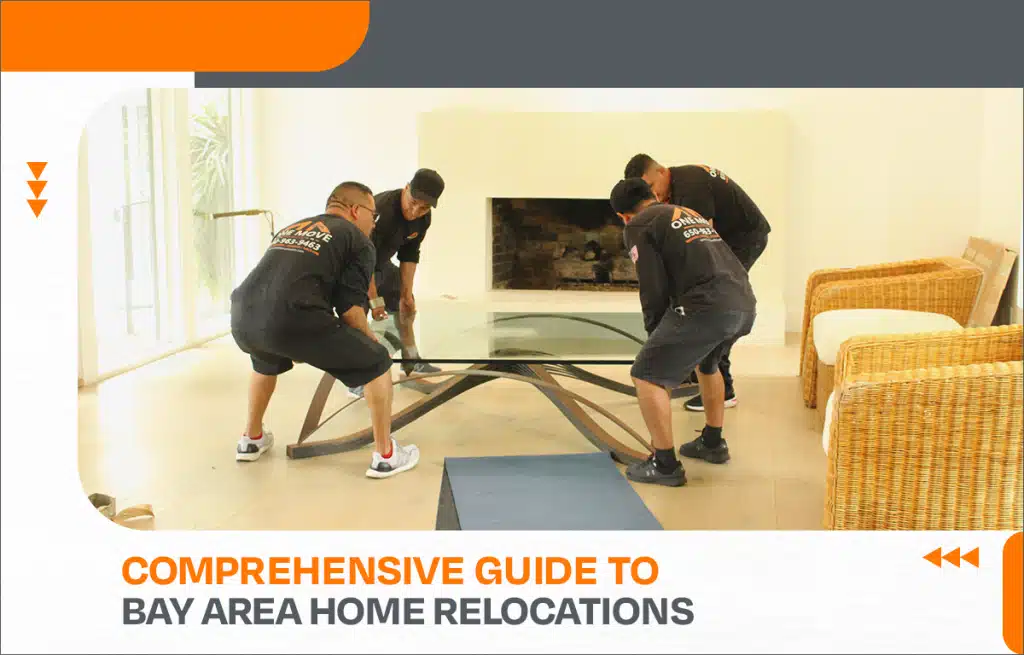
Bay Area Moving Guide: What Every Local Should Know Before Relocating. Moving homes in the Bay Area can bring a mix of excitement and overwhelm. From navigating the steep streets of San Francisco to maneuvering through narrow roads, unpredictable weather, and heavy traffic, there’s a lot to manage. Add in the challenge of securing parking permits and carefully packing cherished items filled with memories, and it’s easy to see why a move here can feel both thrilling and daunting. It’s no wonder many residents consider moving one of life’s most stressful experiences. At One Move Movers, we know that a truly smooth move is 90% planning and 10% lifting. This Bay Area Moving Guide is designed for both longtime residents and newcomers who want to learn how to plan, organize, and execute a successful move anywhere in the Bay Area. Whether you’re moving into an apartment in San Francisco, upgrading to a family home in San Jose, or relocating your office to Oakland, this guide has everything you need. Purpose of this content: Provide locals with practical insights and guidance to plan a stress-free move. What you’ll learn: Tips on moving costs, local regulations, traffic, packing, and settling in smoothly. Written By: The expert team at One Move Movers – the Bay Area’s most trusted professional movers. Understanding the Bay Area Moving Market Each Bay Area city comes with its own unique moving challenges. What works for a move in Fremont might not work in San Francisco, but we’ve seen it all and know how to handle it. 1. Diverse Neighborhoods: User Mention: You should live in San Mateo! There is good food and a decent downtown … If you expect to spend lots of time in San Francisco, you can live close to Caltrain and take it into the city. Source: Reddit bayarea Our Expert Take: Every Bay Area neighborhood has its own unique vibe. San Mateo offers a calm yet connected lifestyle, Fremont appeals to families, and Oakland buzzes with creativity. When choosing a new home, consider more than just the house itself, think about your daily routines, commute, local food, community, and overall comfort. From the artsy energy of San Francisco’s Mission District to the quiet, family-friendly streets of Palo Alto and Fremont, each area has something special to offer. Understanding your neighborhood in advance can make your move smoother, helping you plan for accessibility, space, and logistics. 2. Traffic Patterns: User Mention: I hate the commute … It’s 25-30 miles from Sunset to Palo Alto, and if I leave at 5pm instead of 3:30, I can be in the car for an hour. Source Reddit Bayarea Our Expert Take: That’s just classic Bay Area life! For a smoother move, aim for early mornings or midday during the week and avoid Friday evenings and weekends. At One Move Movers, we plan moves strategically to avoid congested routes such as US-101 and I-280 during rush hour. 3. Local Regulations: Cities like San Francisco, Berkeley, and Oakland often require temporary permits for moving trucks or parking. Applying for these permits at least a week before your move ensures smooth loading and unloading without fines. Our Local Move Expert: In downtown San Francisco, permit approvals can take a few days. Apply 7–10 days in advance to secure your spot and avoid any ticketing or delays Real Questions Locals Ask About Moving: Many Bay Area residents share their moving stories and frustrations online. Here are some of their fundamental questions and our professional answers. 1. How much should I tip my movers? Tipping is totally optional! Most clients in the Bay Area usually tip around $20–$50 per mover for local moves, and sometimes a little more for longer, full-day jobs. Our team always appreciates it, but it’s never expected at One Move Movers. 2. Are these moving prices normal? Yes, that’s within the typical range. Bay Area moving rates usually run between $145–$450 per hour, depending on the truck size, crew count, and distance. For clear and transparent pricing, we recommend requesting an itemized quote and having a detailed conversation with your moving consultant, including sharing photos or videos for the most accurate estimate. 3. Is DIY cheaper? DIY moves can seem cheaper at first, but truck rentals, fuel, equipment, and your own time add up quickly. Many of our clients also prefer to save their backs (and their weekends) rather than haul boxes up San Francisco’s steep hills. Understanding Moving Costs in the Bay Area: User Mention: The commercial moves … require large crews and cost upwards of $5k. A small crew (2–3 people) can do it in a day, depending on traffic. Source: Reddit Bayarea Our Expert Take: That’s correct. Residential moves in the Bay Area typically range from $600 to $2,000, while larger home or office relocations can exceed $5,000. Costs depend on factors like crew size, distance, stairs, and the time of year. If your move involves multiple cities, it’s best to book early. Bridge tolls, fuel, and travel time often surprise DIY movers, but when you hire professional movers, those logistics are handled for you. Packing & Preparation Tips from Our Movers: User Mention: Hi all, moving from San Jose apartment to Fremont townhouse … Do movers refund item cost if something breaks? Also, where can I get boxes?” Source: Reddit Bayarea Our Expert Take: Always ask about insurance coverage. At One Move Movers, we provide basic liability coverage and optional full-value protection for peace of mind. For boxes, local hardware stores, Facebook Marketplace, and grocery chains are excellent sources for sturdy, reusable materials. Advice from Our Packing Team: Pack one room at a time. Label clearly by room & content. Use suitcases for clothing and essentials. Keep valuables and documents with you. Local Insights for New Bay Area Residents: Safety is a genuine concern in some parts of the Bay Area. During move day, never leave items in your car or moving truck overnight. We recommend unloading essentials first and securing the rest in

Scroll to Top